Vehicular Snitching
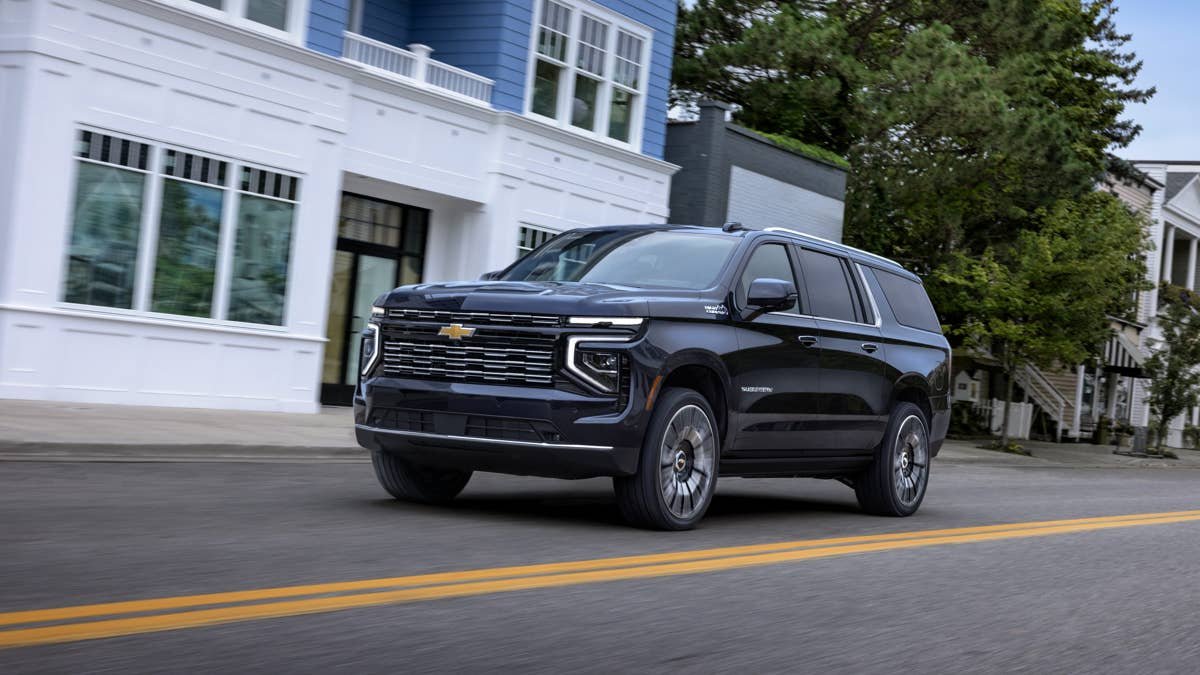
GM’s Smart Driver was launched about a decade ago, and it was meant to promote safe driving by giving drivers a score at the end of the month. It was pitched as a way to lower one’s insurance premiums by showing one’s rating to participating agencies and applying for safe driver discounts.
But what was presented as an incentive has become a legal nightmare for both consumers and GM. As it turned out, the automaker was instead selling information to data collectors, and said information was used for insurance. Owners suddenly found themselves with higher premiums for seemingly no reason, until the data sales were discovered. Cue lawsuits and fines following the fallout.
GMC
GM Chooses to Settle
GM has since shut down the program and stopped selling data to LexisNexis and Verisk in 2024. However, the damage had been done, with many customers who used the program feeling betrayed and violated. So far, it’s cost GM millions, but the automaker has just chosen to settle it once and for all.
The Washington State Attorney General’s Office has released a statement regarding the matter. Aside from the payment, the settlement also requires GM to limit data collection from its customers, as well as implement measures to protect their personal information. GM has also been mandated to perform data protection and privacy program assessments. Lastly, GM has promised to fix its training methods in dealers and not ‘coerce’ people into such data collection schemes.
You can read the full consent decree here.

The Battle isn’t Over
The thing is, it’s not just GM that’s been tracking behavior and selling data to third-party companies. Toyota is also facing a class action suit after a RAV4 owner also noticed his premiums started climbing and realized his driving habits were being tracked without consent. The fight for privacy behind the wheels continues, and yet, automakers are still risking it all for mere pennies per car.
That said, cars will continue to collect data in one form or another. Such is the nature of vehicle telematics and communications. While that’s the reality of new cars, the stored data should remain private and not be used in ways detrimental to the vehicle’s owner. There’s still a lot of framework that needs work, but hopefully, it protects consumers to a far greater degree.
It’s either that or you can just get a car without modern telematics.

About the author

Anton Andres is a news editor at Autoblog and a motoring journalist with more than a decade of experience in the Philippines. He was features editor for Top Gear Philippines from 2022 to 2025 and features and road test editor for Autoindustriya.com.